Do Mermaids Exist? Myth vs Reality
The myth of mermaids dates back thousands of years, with the first known mention of them appearing in Assyria over 3,000 years ago. Since then, they’ve entangled themselves with popular mythology and pop culture, appearing in countless books and movies.
The half-woman, half-fish creatures, while beautiful, are known in folklore to lure sailors to their deaths, using their beautiful voices to attract sailors to them.
While there’s no scientific evidence to support the existence of mermaids, it’s still a fascinating topic to learn more about.
What is a mermaid?
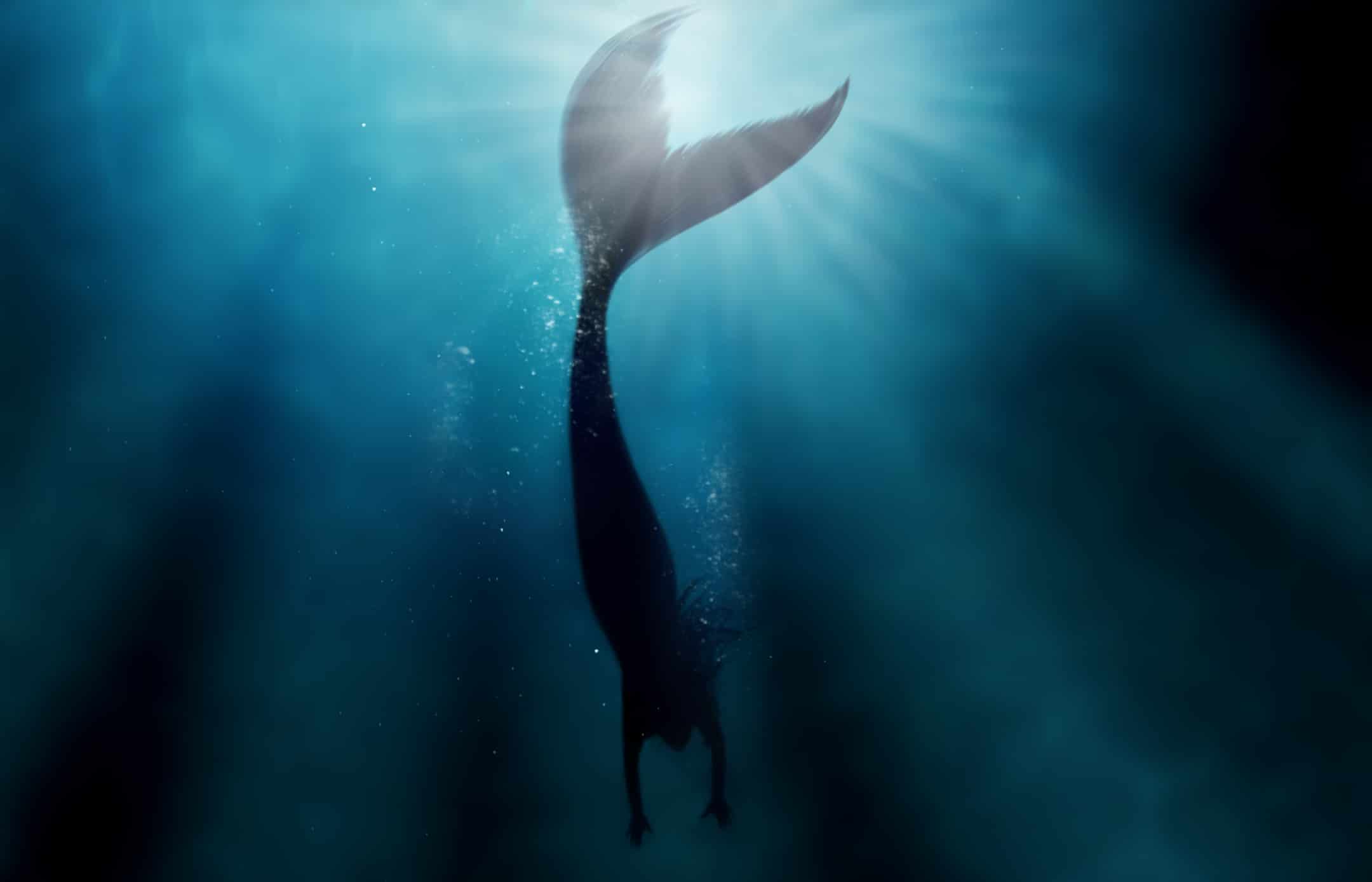
According to mythology, mermaids are creatures with the top half of a woman and the bottom half of a fish; probably the most famous example is Hans Christian Andersen’s The Little Mermaid, which translates from Danish to The Little Sea Maid.
This unique anatomy would allow mermaids to swim and breathe under the water, but also spend time on land. In this way, they are opposite to humans, representing the deadly and enchanting nature of the sea.
While less common in terms of mythology, books, and films, mermen are a part of the myth of mermaids. They are the male equivalent of mermaids; instead of a female upper body, they have a male upper body.
Where do mermaid myths come from?
The myth of mermaids, like many other myths, takes many forms across the globe.
In Europe, mermaid mythology has evolved from the original Greek sirens, who were half-bird, to the half-fish mermaids we know today. In both instances, the siren and mermaid were both seen as bad omens, potentially foreshadowing storms at sea.
Interestingly, in African and Asian cultures, mermaids are not viewed as bad omens. In China, Jiaoren are often viewed as being beautiful and divine beings with the ability to grant eternal life or riches.
In Africa, mermaids are not a mythical species, but individual gods that take the form of a half-fish, half-human creature. Across West and Central Africa specifically, Mami Wata is a powerful symbol of beauty, fertility, wealth, and dangerous allure.

Is a siren and a mermaid the same thing?
Over the years, mermaids have been known in folklore to represent good luck but also disaster. In much of British culture, mermaids are believed to be a bad omen.
However, there has been a growing misconception that mermaids are the ones responsible for causing danger across the seas. It is, in fact, sirens that are more malicious creatures, often luring sailors to their untimely passing with enchanting songs.
In Greek mythology, sirens were depicted as half-women, half-bird and not sea creatures at all. In Homer’s Odyssey, the sirens would sing a song to entice sailors into the rocky areas of the sea, but they were never explicitly described as being half-woman.
What do mermaids symbolise?
The elusive nature of mermaids, across a range of cultures, is used to represent the beauty, mystery, and danger of the sea. In ancient times, the sea was a new frontier to explore, but it was also difficult to predict and navigate because of the technology they had at their disposal.
Similar to myths like the kraken, mermaids show the unpredictability of the sea, particularly in a time when search and rescue simply wasn’t possible for nautical explorers.
Have mermaids been seen in real life?
For centuries, sailors, fishermen and others have reported sightings of mermaids, including none other than Christopher Columbus. Travelling through the Caribbean Islands, Columbus claims to have seen three mermaids, but many historians now believe that what he really saw were manatees, which hadn’t been discovered at that time.
The English pirate Blackbeard also recorded seeing mermaids across the West Indies in the 18th century, but some believe that he just wanted others to stay away from the area so he could claim it as his turf.
In modern times, many zoologists believe that these mermaid sightings were actually manatee sightings. From a distance, in low light, or with a belly full of rum, the silhouette of a manatee is remarkably human, with a rounded head, flippers that look like arms, and tail fins, combined with their habit of lifting their heads above the surface.
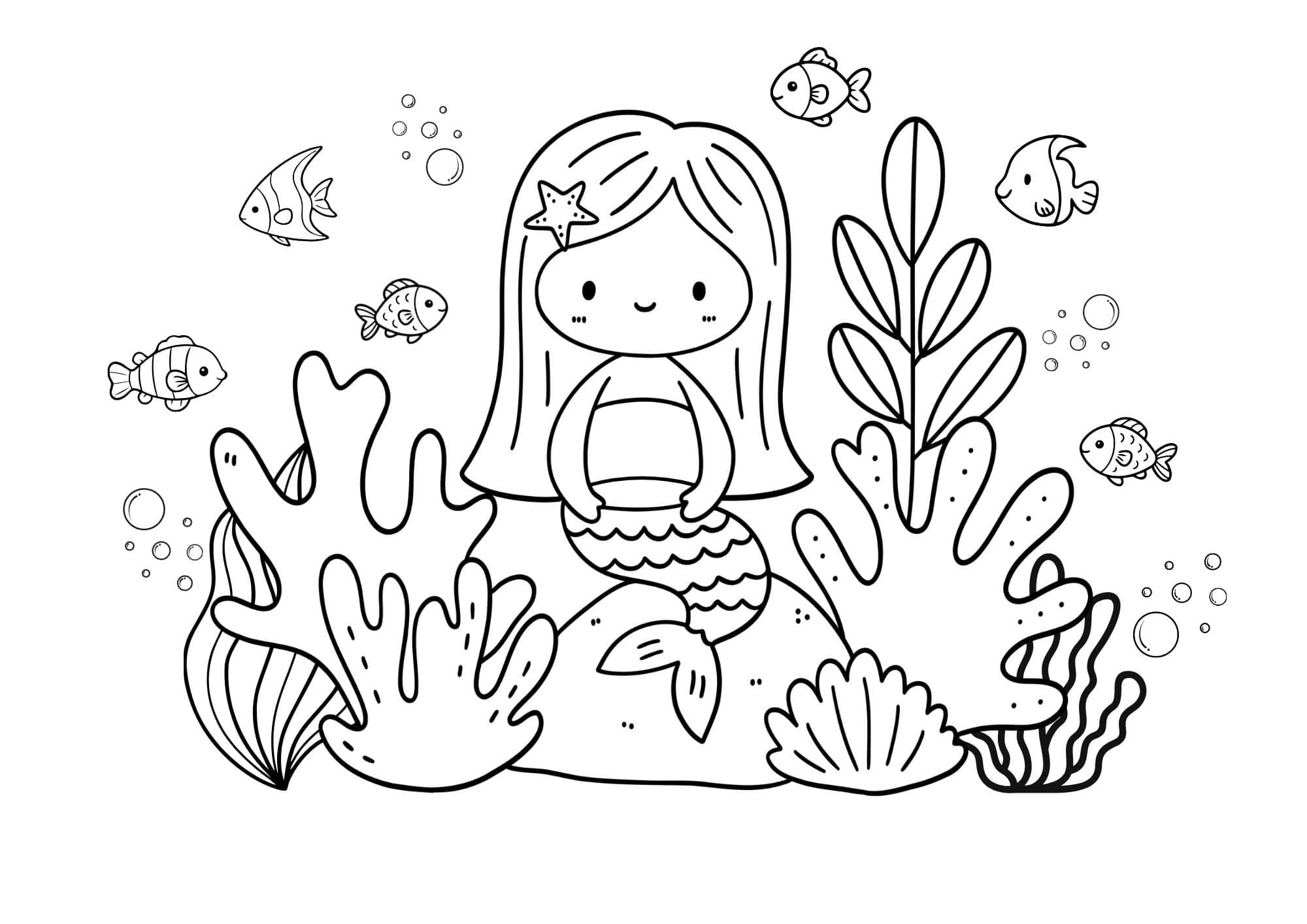
Free mermaid colouring sheet
Ready to colour in your own mermaid? Download our free, print-at-home colouring sheet to get started.
It’s the perfect activity, using bright colours to colour in the mermaid’s tail, hair and fishy friends that swim along with her!

DOWNLOAD THE COLOURING SHEET HERE
Mermaids at Bristol Aquarium
While we don’t have any mermaids swimming around Bristol Aquarium, we do have some mermaid friends who can attend events like birthday parties and special shows at the aquarium.
Keep an eye out for mermaid events on our events page, or get in touch to book a mermaid-themed birthday party.