Conservation Successes from Around the World
More often than not, when we talk about conservation it’s because there is an imminent threat to our wildlife and the environment they live in. However, it’s also important to focus on the positives and take some time to look at the differences those conservation actions have made.
Success within conservation can take many forms, but ultimately they help species recover and ensure populations remain stable or even grow. So, let’s take a closer look.
What does conservation success mean?
When we talk about conservation success, it could cover a number of different areas. It might mean that a species has been saved from extinction, or a type of animal has come back to an area it used to inhabit. A success could also refer to the idea that nature has been able to survive and grow again on its own.
There are different ways to carry out conservation too, from captive breeding in zoos and aquaria, to bringing in protected areas such as designated ocean zones to prevent overfishing and implement pollution control.
Species Recovery Successes
Here we’ll learn a bit more about some of the world’s species that were under threat, and what has been done to bring their populations back to a more stable condition.
Saiga antelope (Saiga tatarica)
The saiga antelope has made a historic recovery, which was once categorised as Critically Endangered on the IUCN Red List. Now, it’s Near Threatened thanks to effective conservation efforts across Kazakhstan, Mongolia and Uzbekistan.
This is a species that outlived the woolly mammoth and sabre tooth tiger, roaming the earth since the last Ice Age. While previous threats included illegal poaching for their horns, habitat loss and disease outbreaks, now there are concentrated efforts to bring in anti-poaching laws and a series of State Protected Areas.
Mountain gorillas (Gorilla beringei beringei)
The mountain gorilla – a subspecies of the Eastern Gorilla – native to central Africa, is currently classified as Endangered on the Red List, but it was once Critically Endangered. Their species has endured years of war, hunting, habitat loss and disease, and they are the only great apes who have an increasing population size.
Protection across the likes of Rwanda, Uganda and the Democratic Republic of Congo has helped to grow the population to over 1,000. This is an incredible conservation achievement, especially in such a volatile region, but as a species they are still very much dependent on conservation and need further protection.
Charities like the WWF also focus heavily on mountain gorilla conservation, through initiatives like fighting the illegal wildlife trade, protecting habitats and supporting sustainable eco-tourism.

Habitat and ecosystem success stories
Here we’ll learn a bit more about certain habitats and what brought them under threat, and what’s been done to bring them back and improve them for wildlife.
River Aller
The conservation of the River Aller in Somerset is a pioneering project that was completed in 2023. Designed to restore the natural flow of the river, the National Trust intentionally rerouted a section of the River Aller and allowed it to flow wherever it wanted, creating a thriving wetland.
It’s boosted life in the area, with species like swallows, house martins, kestrels, dragonflies, bats and eels all returning to the area.
Mangrove ecosystems
Mangroves are essential coastal ecosystems, supporting life all over the world from Madagascar to Mexico. Mangroves help to protect shorelines from erosion, act as huge carbon stores too and provide nurseries for young marine life. They are considered to be one of the most threatened habitats in the world due to the likes of deforestation and coastal development.
Global mangrove forests are making a comeback, with studies showing that since 2010 the world has been gaining more mangroves than it has been losing. This is down to legal protections and a better understanding of how important they are.

Marine conservation success stories
Of course there’s also some great stories from the world’s waterways too. Here we look at some of the successes from marine habitats.
Green Sea Turtles (Chelonia mydas)
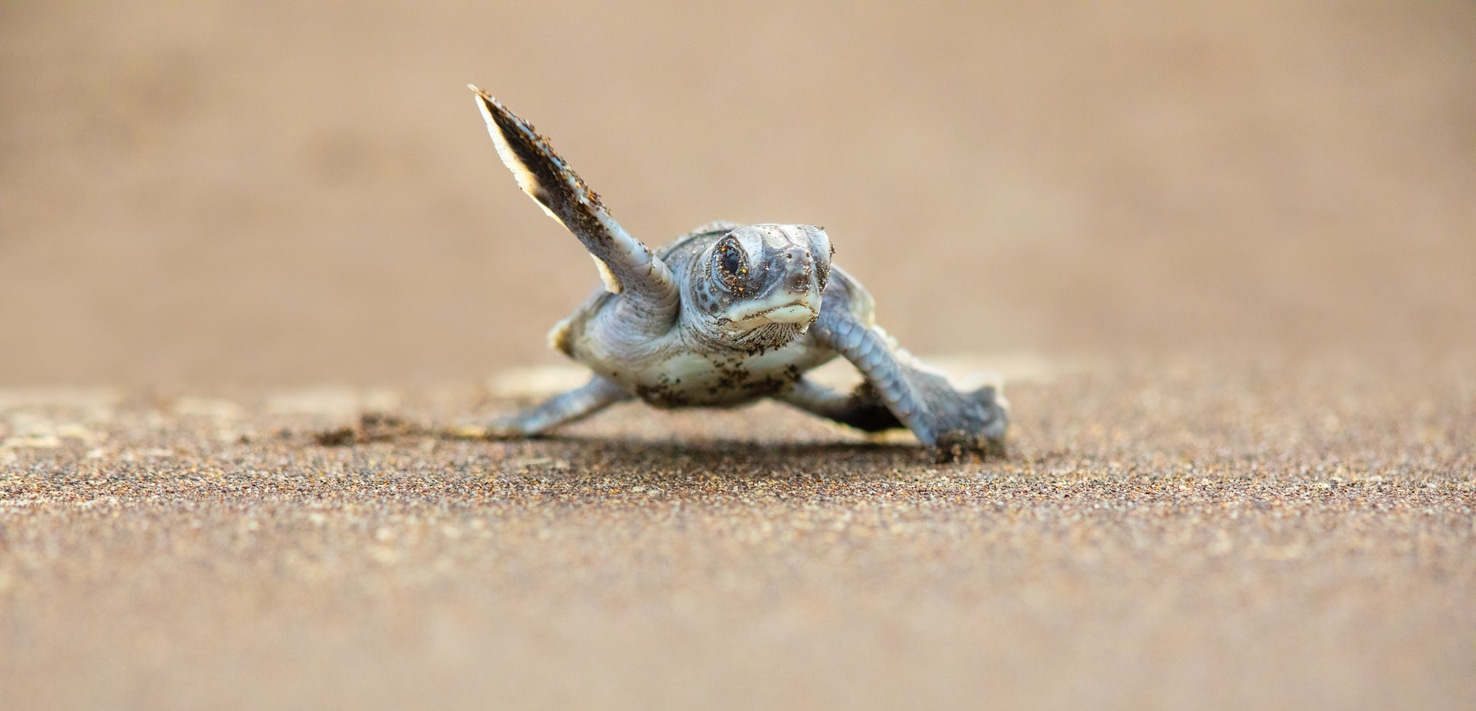
Scientists have called the green sea turtles a major conservation victory, which is an incredible feat. This species used to be hunted for turtle soup, as well eggs and decorative shells. The number of green sea turtles quickly plummeted and they have been listed as endangered since the 1980s.
Global conservation efforts, across the likes of egg protection and releasing hatchlings on the beach, have meant that the populations of green sea turtles are now growing again. People have been getting involved in activities such as patrolling beaches, protecting nesting sites, education and awareness and also trying to stop turtles being captured in fishing nets. In the latest IUCN data shows that the green sea turtle has now been downgraded to Least Concern, but it’s still important to continue efforts as their numbers are still low.
Palau Island Reefs
Palau is known to be a leader in marine conservation, protecting its national waters through the Palau National Marine Sanctuary. It’s the only nation to have protected 80% of its marine environment from the likes of fishing, which has allowed for the reefs to recover. Palau also implements initiatives such as hand-raising clams to ease the pressure on wild populations.

Captive breeding successes
Captive breeding is a strategy aimed at breeding endangered or threatened species in a controlled environment, helping to create the next generation of that species. It can be a very tricky process and must be done very carefully.
Desertas land snails
The four near-extinct Desertas Island land snails, native to the Desertas Grande island in the Maderia Archipelago, have undergone an extensive captive breeding programme to help their survival. It was thought the species had been completely wiped out, with just small populations found in the wild, clinging to the rocks on the island. European conservation organisations, including Bristol Zoo, have successfully bred over 1,300 Desertas land snails and have reintroduced them to the wild safely.
White-tailed eagles (Haliaeetus albicilla)
White-tailed eagles went extinct in Ireland in the 19th and 20th centuries due to human activity and habitat loss, and haven’t been seen since the early 1910s. Now, the return of breeding white-tailed eagles in Northern Ireland has showcased just how incredible these conservation efforts can be.
Eagle chicks were brought from Norway and released in Ireland, fitted with satellite tags and wing tags. In 2024, a pair of white-tailed eagles have become the first to breed in Northern Ireland for more than 150 years.

How communities are making a difference
There are places around the world known for their community-based conservation work, helping to keep the environment a better place for themselves and the wildlife amongst them.
Lake Sofia, Madagascar
The Madagascar pochard is a species of diving duck, which was thought to be extinct until an exciting discovery in 2006. However, with just 20 of these birds left on a remote lake, the WWT set out to understand why they were struggling and discovered that water quality, temperature and sedimentation were impacting the ducks’ ability to feed.
Since then, the WWT has helped a huge conservation effort which has resulted in the opening of a breeding facility called the Fotsimaso Interpretation Centre for the Madagascar Pochard in 2017.
Lake Sofia was identified as the best place for the pochards to be released into the wild, and so between the WWT and local communities, they began work on ensuring the wetland was a healthy environment. In 2018 the first chicks were leased into the lake, and by 2020 they had bred and more ducklings arrived.
Myanmar fish conservation zone
Myanmar has introduced community-managed fish conservation zones, designed to help protect local fish breeding and spawning habits, as well as supporting freshwater biodiversity. Fishing is prohibited during the spawning months, with volunteers patrolling the waters for added protection. Local fisher groups and village committees manage these zones, with the support of larger organisations.
This has led to early signs of stabilising the local aquatic biodiversity, demonstrating local success and showing just what can be done if enough people come together.
How Bristol Aquarium supports conservation
Here at Bristol Aquarium we strive to educate our visitors about marine life and the conservation required to keep them thriving. Whether it’s reducing your carbon footprint or saving water, we want to inspire the next generation to care about conservation.
We host conservation activities onsite and support related charities too. You can find out more about our conservation efforts here!


